

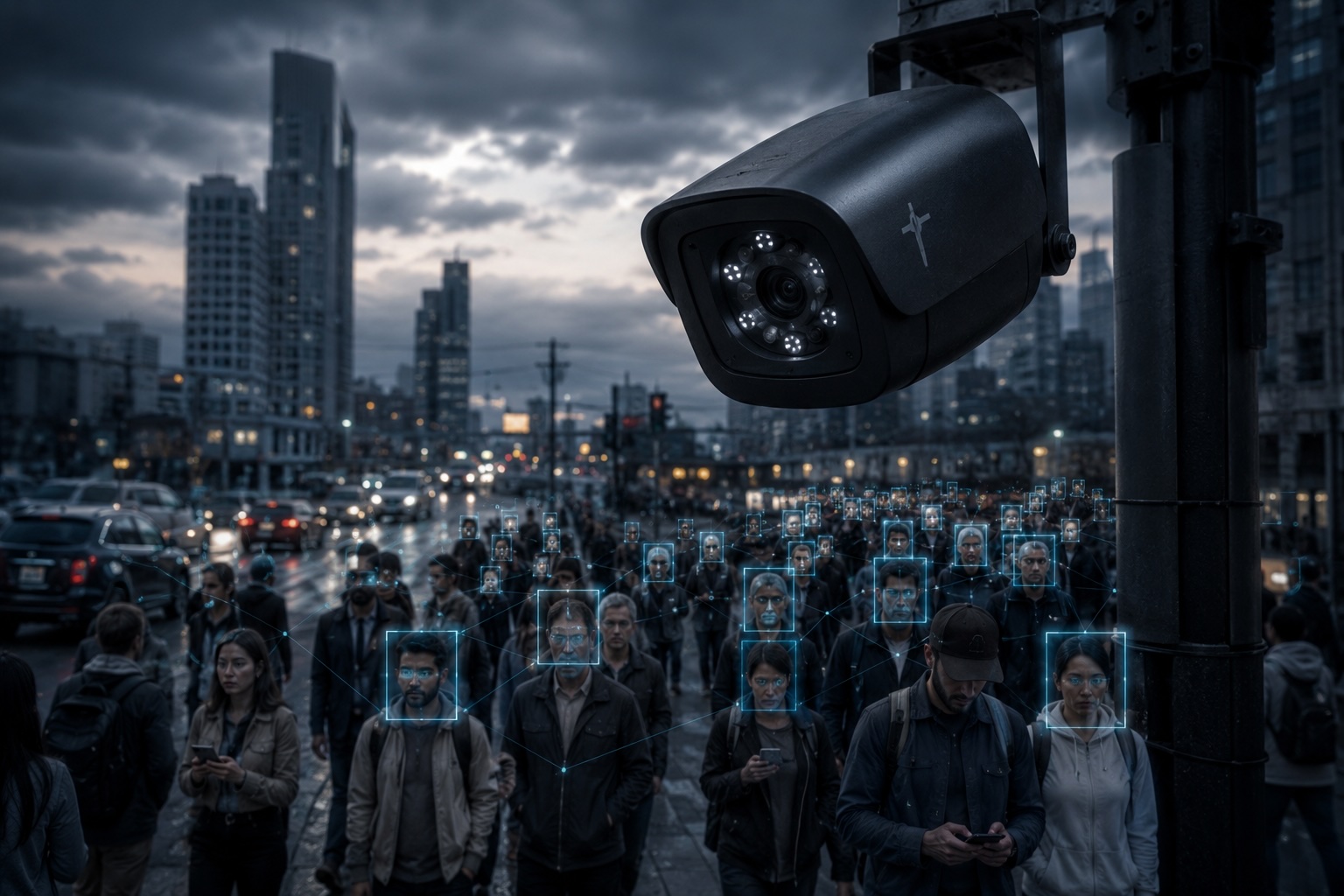
A private surveillance network is raising serious Fourth Amendment concerns across America. Flock Safety, an Atlanta-based company, insists its cameras do not track people. But its license-plate readers, artificial-intelligence tools, and police training materials suggest otherwise.
The company’s nationwide network now includes tens of thousands of cameras capable of recording vehicle locations and allowing police to reconstruct weeks of travel history—often without a warrant. Activists with the citizen watchdog organization, DeFlock.org. have mapped more than 88,000 cameras, revealing just how widespread the system has become with the public largely unaware of how their country is morphing into a surveillance grid.
Flock’s own training videos describe officers tracking suspects from place to place, even across state lines. Its advanced Condor cameras can also pan, tilt, zoom, and automatically follow human movement.
The dangers are not theoretical. Security researchers reportedly found dozens of cameras streaming publicly online without passwords. Police officers have also been arrested for allegedly misusing the system to stalk former partners and acquaintances. Flock says its technology helps solve crimes and includes audit protections. But constitutional rights cannot depend on corporate promises or internal safeguards. A system that records every driver and pedestrian by default treats ordinary Americans like potential suspects.
More than two dozen cities have reportedly canceled Flock contracts over privacy concerns. That pushback should grow. Conservatives believe in law and order—but also limited government, due process, and freedom from unreasonable searches. Public safety cannot become an excuse for a permanent digital dragnet. Police should obtain warrants, surveillance systems must face strict oversight, and Americans should never surrender liberty merely because technology makes mass monitoring convenient.
Flock Cameras also enable a Chinese-style turnkey control grid that could be weaponized against the people during a time of crisis. We must reject these cameras because the land of the free cannot become a surveillance state.

