

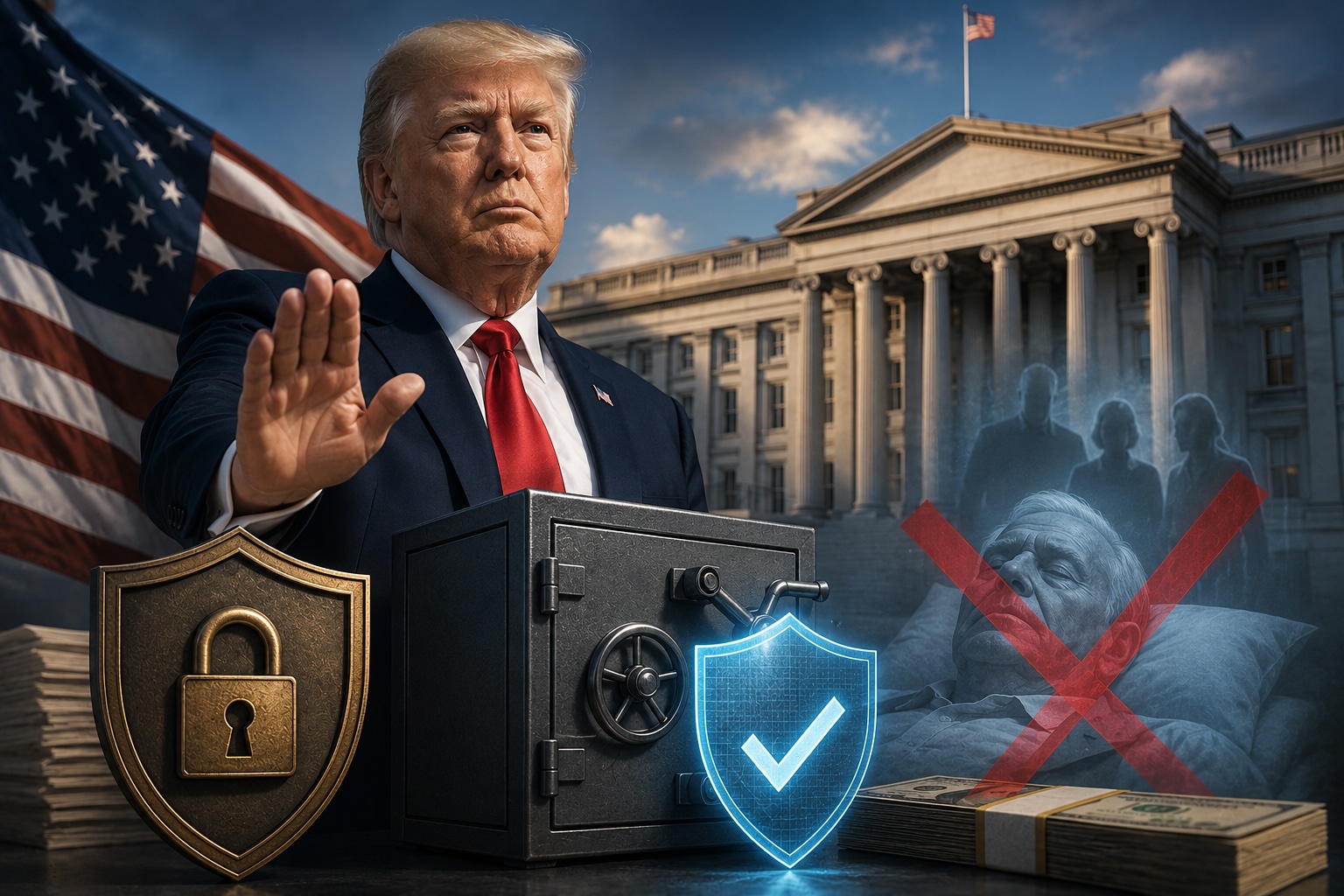
WASHINGTON – The Department of Treasury and the Bureau of the Fiscal Service announced Tuesday it has successfully implemented a new government payment verification process that prevents federal payments from being issued to deceased individuals.
The initiative is now fully underway and fulfills a key requirement of President Trump’s Executive Order 14249 and the Ending Improper Payments to Deceased People Act, signed into law in February 2026.
To date, the enhanced screening has reviewed more than 885 million payments which total to approximately $2.77 trillion.
The system identified more than 4,900 payments associated with deceased payees, which equal nearly $99 million. Those payments were returned to the originating federal agencies for review before any funds were disbursed.
These results build on the success of an earlier pilot program, in which the Department of the Treasury substantially expanded its ability to identify payments to deceased individuals and projected approximately $330 million in net benefits between 2024 and 2026.
The Ending Improper Payments to Deceased People Act, signed in February 2026, made these protections permanent by granting the Treasury ongoing access to the Social Security Administration’s Full Death Master File, delivering a much stronger level of visibility and enforcement.
“Treasury has delivered on a key promise of President Trump’s mandate to stop improper payments and fraud before money leaves the Treasury, and strengthen the integrity of the federal payment system,” said Secretary Scott Bessent. “Together with Vice President Vance’s Task Force to Eliminate Fraud, this new safeguard addresses a longstanding vulnerability and helps ensure every dollar the federal government spends reaches its intended recipient. Treasury will continue efforts to modernize the federal payment system, strengthen safeguards against fraud and improper payments, and protect taxpayer dollars.”
Officials project that these efforts could ultimately prevent hundreds of millions in improper payments to deceased persons alone, with estimates around $330–350 million in net benefits across relevant programs.
Potential savings across broader government programs, particularly in healthcare, could reach hundreds of billions.
These efforts build on the expanded use of Treasury’s Do Not Pay program and directly addresses vulnerabilities that emerged during the Biden administration. As Secretary Bessent highlighted on Mornings with Maria, the Biden-era HHS “got rid of about 50 or 60” fraud-monitoring positions, weakening oversight at a critical time. Once funds leave the Treasury, recovery becomes extremely difficult.
The Trump administration’s clear and precise governance is playing out in real time. By securing and enacting legislation that grants permanent, full access to critical death data, the administration has moved decisively to eliminate improper payments. Without this targeted, proactive step, in creating and passing additional legislation, this would have remained yet another classic Washington tale of unchecked waste and bureaucratic failure.

