

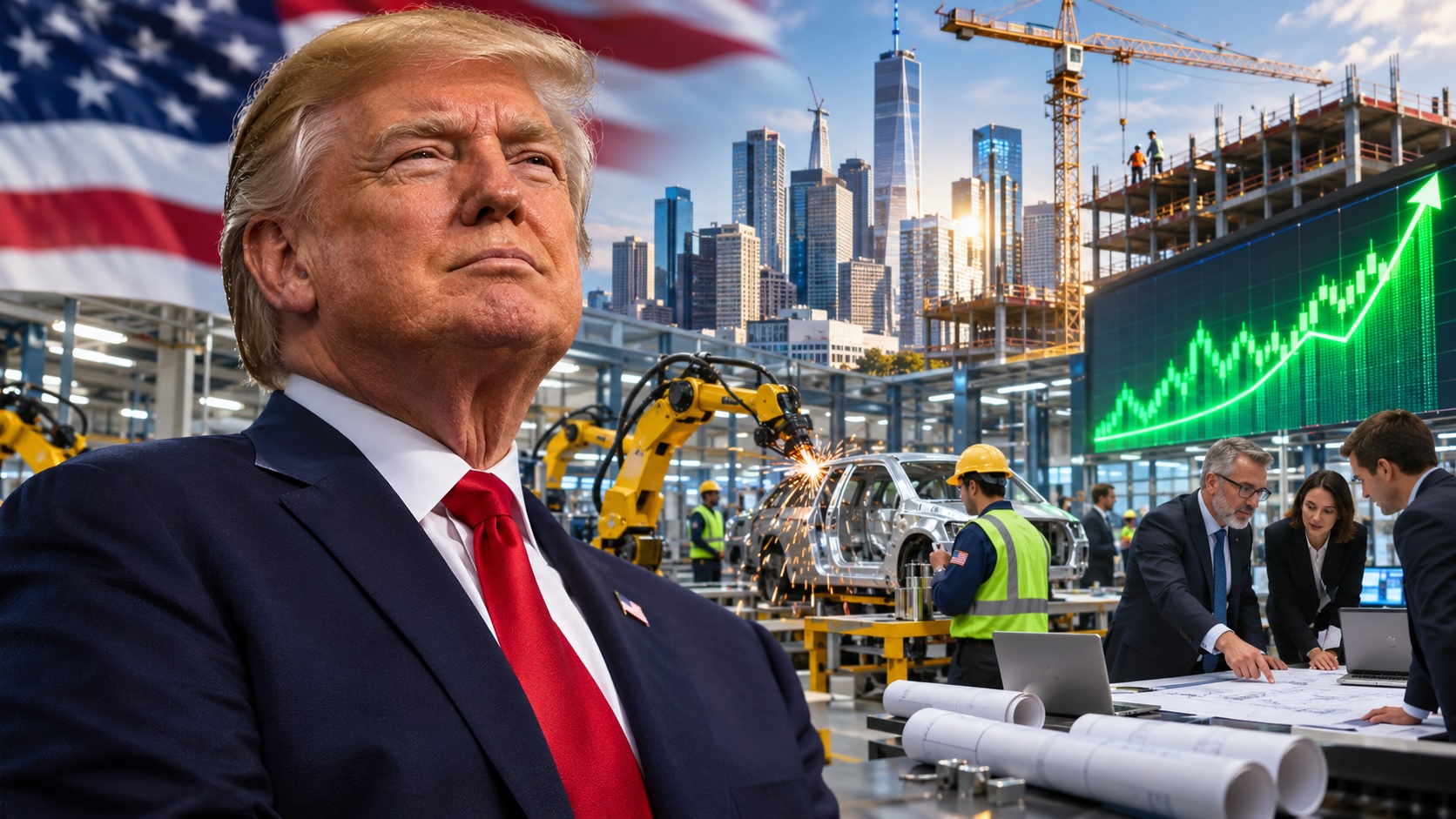
The U.S. economy is accelerating. Real GDP grew at a 3.4% annual rate in the third quarter of 2026, according to the Treasury Department’s advance estimate, a sharp pickup from the 2.2% pace in the second quarter and the fastest growth in the last four quarters.
Private demand is driving the expansion. Private domestic final purchases, which include consumer spending, business fixed investment, and residential investment combined, rose 4.9% at an annual rate, the strongest pace in more than five years and the second consecutive quarter above 4.5% outside the pandemic recovery. Business fixed investment alone grew 12.7% in the third quarter after gains of 9.0% and 9.9% in the prior two quarters, the fastest rate in 15 years outside pandemic volatility.
Equipment investment surged 20.9% (the third straight double-digit quarter), industrial equipment jumped 24.7%, intellectual property products rose 8.4%, and structures turned positive at 5.4%, the strongest reading since late 2023. Business fixed investment contributed 1.8 percentage points to GDP growth, while personal consumption expenditures rose 3.8% and added another 2.5 points. These trends have reinforced the economy’s capacity for self-sustaining growth.
Labor-market conditions remain solid. Since December 2025 the private sector has added 634,000 net new jobs. Unemployment averaged 4.1% in the third quarter, down from 4.3% in the first half of the year. Federal payrolls have continued to shrink, holding near 2.68 million workers, down from 3.01 million in January 2025.
Nominal average hourly earnings rose 3.0% and average weekly earnings rose 3.6% over the year through September; the Employment Cost Index for private workers increased 3.4%. Initial unemployment claims stayed exceptionally low by historical standards, and new business applications hit a record high of more than 576,000 in July and remained elevated through the third quarter.
Core inflation has cooled even as growth has picked up. Twelve-month core CPI stood at 2.6% as of September, down from 3.0% a year earlier, while food price inflation eased to 2.5%.
The acceleration has been supported by the major fiscal legislation enacted in July 2025 (the Working Families Tax Cuts). The law averted a large scheduled tax increase, lowered the cost of capital, and restored key investment incentives: full expensing of research and development, 100% bonus depreciation for business equipment, and restored interest deductibility for capital-intensive manufacturers.
Real business fixed investment has risen a cumulative 9.4% since the law’s passage, and business equipment investment alone has added 0.8 percentage points to GDP growth over the past four quarters. A net 22% of small businesses plan capital outlays over the next six months, and the Business Roundtable’s index of CEO capital-expenditure expectations stands at its highest level since early 2022.
Announced investments in U.S. manufacturing, production, and innovation total trillions of dollars, reflecting broad global confidence in the United States as an investment destination. Full expensing, tariffs and reshoring incentives, and deregulation have reinforced the capital-expenditure boom. Together, the enacted and planned policies form a foundation for continued private-sector-led growth and broader prosperity.

