

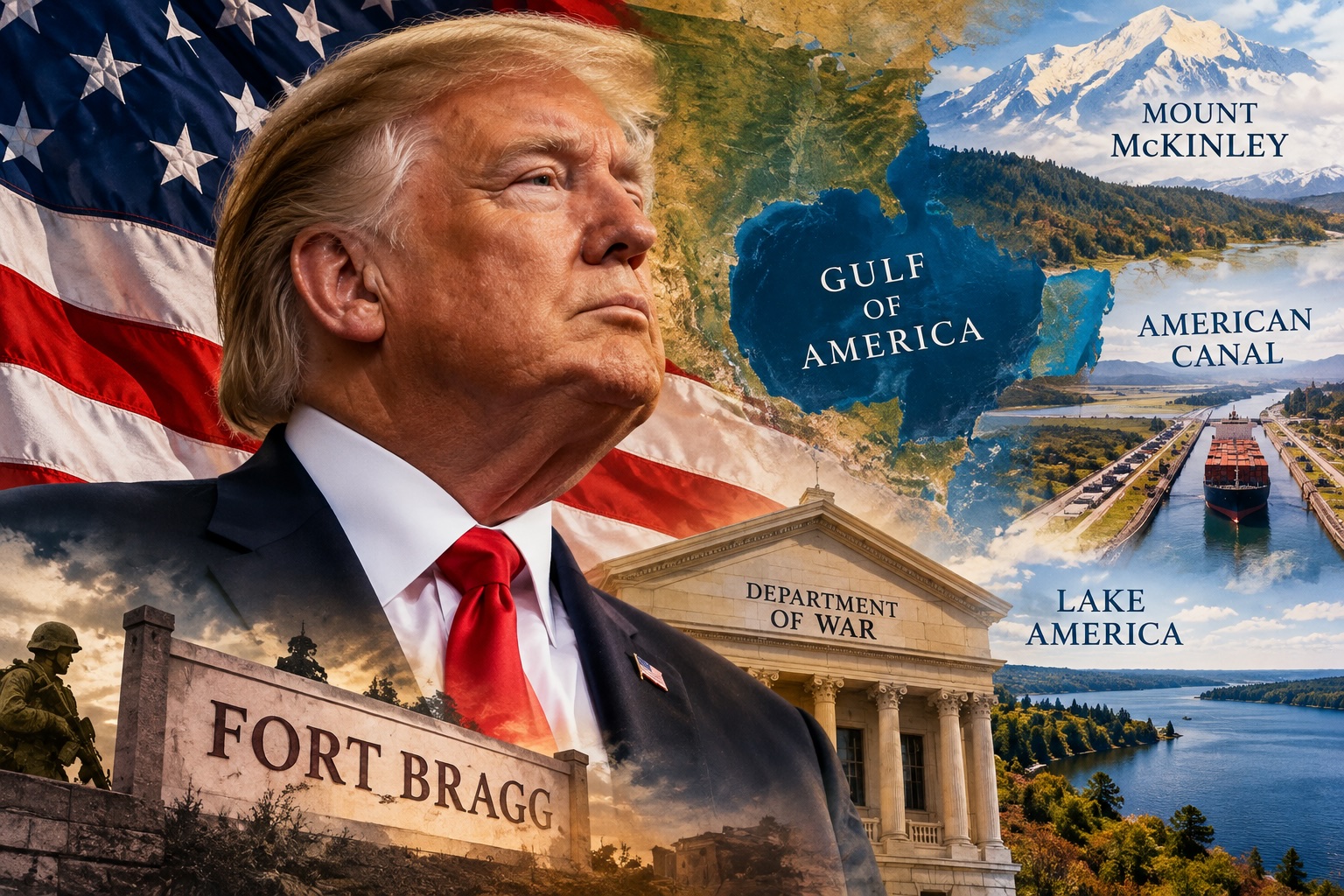
Few figures in modern American history have understood the power of branding, messaging, and public perception as instinctively or effectively as President Donald J. Trump. Long before entering politics, Trump recognized a fundamental principle of human psychology: names are not merely labels; they are instruments of influence, identity, prestige, and power. In business, he transformed his surname into one of the most recognizable brands in the world, placing the Trump name on skyscrapers, luxury hotels, golf courses, casinos, and numerous other ventures.
He understood that a name could communicate success, command attention, shape perceptions, and create value before a single word of explanation was offered. What Trump mastered in the world of business, he has carried into the presidency, applying that same instinct for strategic naming to the symbols, landmarks, and institutions that define the American experience.
For Trump, naming extends far beyond commercial branding. He recognizes that the titles assigned to places, monuments, institutions, and geographical landmarks influence how people perceive their country, its history, and its standing internationally. His decision to designate the Gulf of Mexico as the Gulf of America for official federal use is perhaps the clearest illustration of this philosophy. With a seemingly simple change of words, Trump generated international headlines, ignited a national debate, and, most importantly, placed the nation’s identity at the forefront of the conversation.
Whether embraced or criticized, the new designation commanded attention and compelled the public to engage with its symbolism. It demonstrated one of Trump’s most distinctive political instincts: his ability to transform a few carefully chosen words into a statement about national pride, sovereignty, and American exceptionalism.
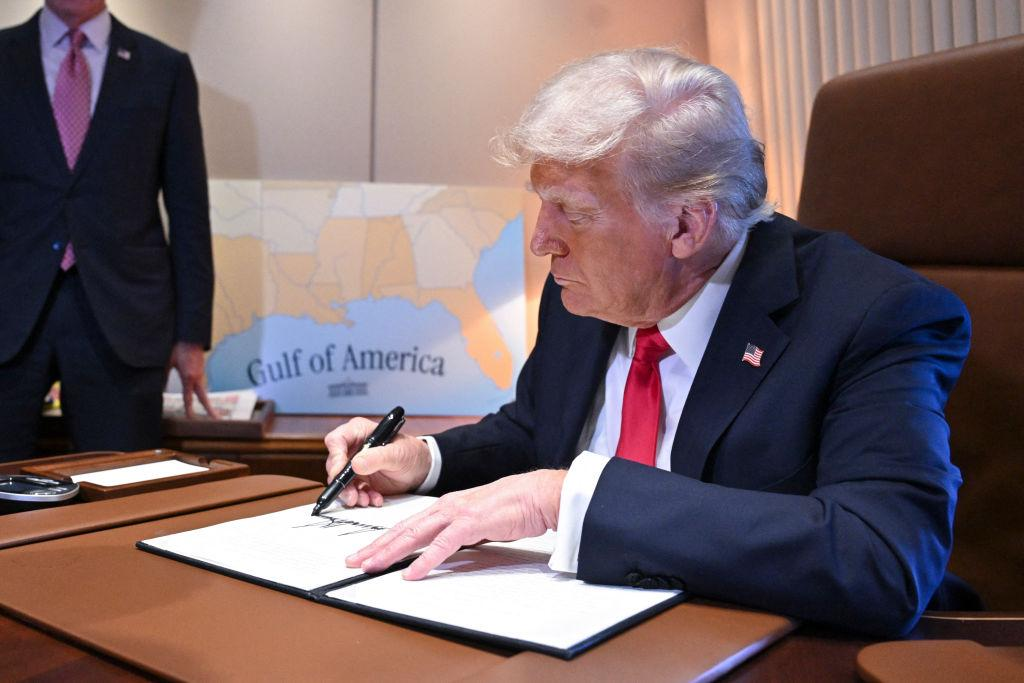
The psychology underlying this strategy is both fascinating and consequential. Names acquire meaning through familiarity, repetition, cultural association, and the authority of the institutions that use them. They become embedded in the collective consciousness through classrooms, newspapers, maps, official documents, and everyday conversations. Over time, these associations can become so deeply established that people rarely question their origins.
Trump recognizes that language does more than describe the world; it influences how that world is understood. By challenging established designations and promoting alternatives emphasizing American heritage, sovereignty, and national achievement, he seeks to reshape the vocabulary through which Americans express their sense of belonging. His objective, as reflected in the broader philosophy of his presidency, is not to reinvent America’s essential character, but to reaffirm what he regards as its enduring greatness.
From Alexander the Great to Donald Trump
Trump’s appreciation for the power of naming is hardly a modern invention. Since antiquity, some of history’s most consequential rulers have understood that the authority to name a city, territory, or institution can influence how civilizations remember their history and their leaders.
Alexander the Great founded cities bearing the name Alexandria throughout his empire, most famously Alexandria in Egypt, establishing enduring symbols of Greek influence and his conquests. Centuries later, the Roman emperor Constantine the Great established a new imperial capital at ancient Byzantium, which became known as Constantinople, ensuring that his name would remain associated with one of history’s most important cities for more than a millennium. The emperor Hadrian similarly lent his name to Hadrianopolis, while Peter the Great founded St. Petersburg, named in honor of his patron saint, creating a new Russian capital that symbolized his ambitions for the empire.
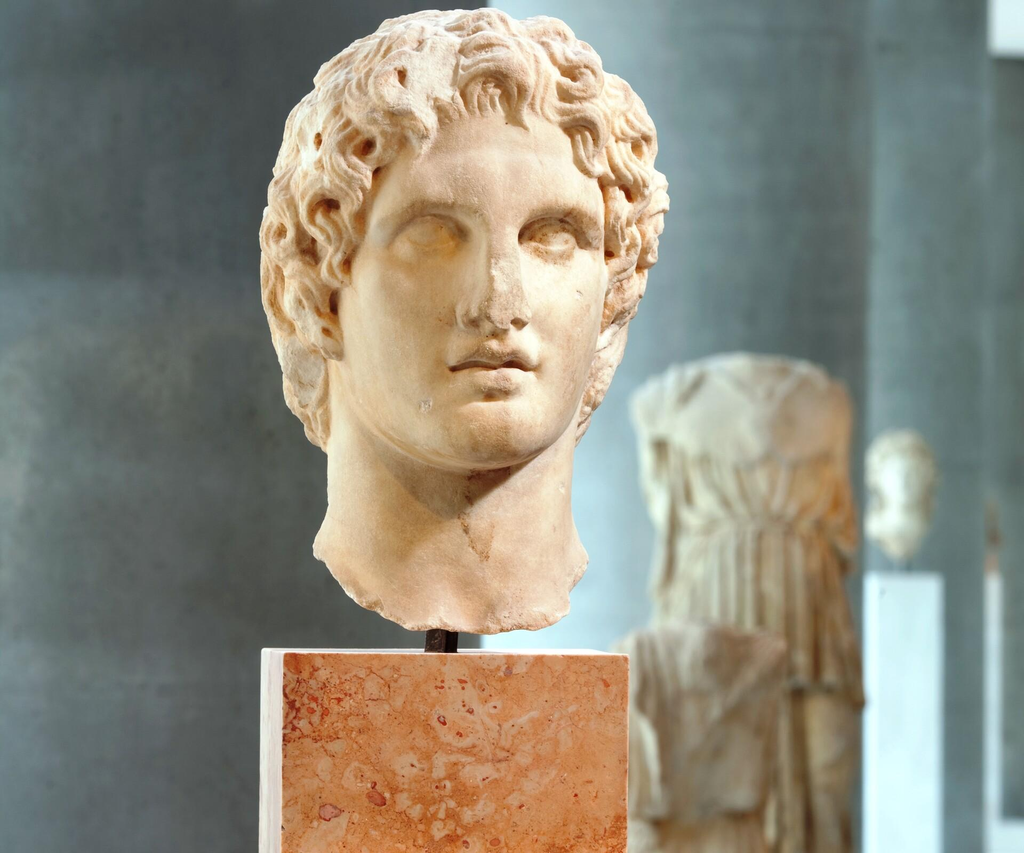
Although Trump’s circumstances and objectives differ considerably from those of ancient emperors and European monarchs, the underlying appreciation for symbolism is unmistakable. What earlier rulers understood through conquest and statecraft, Trump first mastered through commerce and marketing before carrying those instincts into the presidency.
The fundamental principle has remained remarkably consistent across the centuries: political authority can determine what appears on a map, but the enduring significance of a name lies in its ability to shape what future generations remember.
Restoring American Identity Through the Power of Names
At the heart of Trump’s approach is his conviction that the language of a nation should reflect its history, sovereignty, achievements, and patriotic spirit. His January 2025 executive order establishing the Gulf of America for federal use and restoring the name Mount McKinley to North America’s tallest peak reflected an explicit commitment to honoring American greatness.
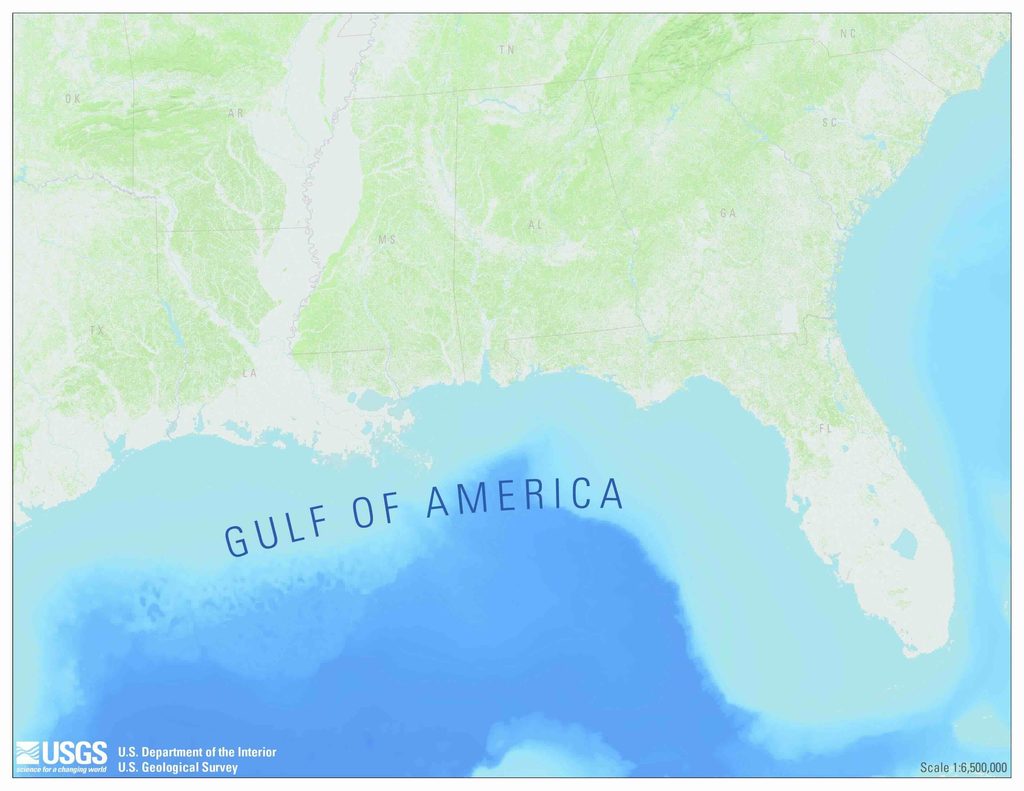
The subsequent authorization of Department of War as a secondary title for the Department of Defense revived a designation associated with the earliest years of the American Republic. His administration also restored familiar names to military installations, including Fort Braggand Fort Benning, while formally honoring American servicemen bearing those surnames. These initiatives illustrate a broader effort to reconnect the vocabulary of government and geography with traditions and historical associations that Trump considers essential to the nation’s character.
The pattern extends beyond a handful of prominent examples. Reports of efforts to designate Lake Ontario as Lake America further illustrate Trump’s willingness to challenge longstanding geographical conventions, even when those names are shared with neighboring countries. Such decisions naturally generate controversy, but they also reveal the scope of his approach: from mountains and waterways to military installations and government departments, Trump regards names as expressions of a country’s character rather than merely administrative conventions.In his political philosophy, these changes are intended to strengthen patriotic sentiment and restore recognition to aspects of America’s past.
There is, however, another dimension to Trump’s approach, one inseparable from the personal brand he spent decades cultivating before entering the White House. His presidency has brought that instinct into the realm of public commemoration, as illustrated by efforts to associate his name with institutions such as the John F. Kennedy Center for the Performing Arts and the United States Institute of Peace, as well as initiatives involving Palm Beach International Airport.These cases differ from the restoration of historic names because they concern Trump’s own place in the nation’s institutional memory. Yet both approaches reflect his recognition that names can preserve an individual’s legacy long after his direct authority has passed. For a president whose surname was already internationally recognizable before he entered public office, the relationship between personal branding, presidential leadership, and historical legacy is particularly distinctive.
The Media Paradox: When Opposition Amplifies the Message
Perhaps one of the most remarkable aspects of Trump’s naming strategy is his recognition that controversy can be nearly as valuable as consensus in establishing a brand or introducing a new idea into the public consciousness. His efforts have frequently been met with opposition from critics in the mainstream media. Yet these reactions reveal a paradox of modern political communication: in attempting to discredit Trump’s message, his opponents can become some of its most effective distributors.
Every television commentator who denounces the Gulf of America, every newspaper that debates the designation, and every political opponent who opposes it contributes to the visibility of the terminology Trump has introduced. He recognizes that the battle over language does not necessarily begin by persuading everyone to embrace a new name. It begins by making that name recognizable.
But Trump also understands something more consequential: the true power of a name is not measured solely by the controversy surrounding its introduction, but by its ability to endure after that controversy has faded. When a designation begins appearing on federal maps, government documents, public communications, and in everyday conversation, it moves beyond a presidential announcement and acquires an institutional presence.
Repetition creates familiarity, while official usage reinforces the perception of legitimacy. What begins as a disputed political decision can become an established part of administrative language. Trump is therefore pursuing something potentially more lasting than a favorable news cycle: an imprint on the vocabulary of the nation itself.
What Might Trump Rename Next?
If Trump’s appreciation for the strategic value of naming is any indication, the possibilities for future initiatives are virtually limitless. One can imagine the Rio Grande becoming the American River, the National Mall in Washington becoming America’s Mall, or even the Federal Reserve being rebranded as the American Reserve. On a grander geographical scale, the Caribbean Sea could become the Sea of the Americas, emphasizing the hemisphere’s shared geographic heritage.
I would encourage President Trump to rename the Panama Canal the American Canal, invoking the principal role the United States played in its construction and its immense strategic importance in American history. And why stop there? The Pacific Ocean could become the American Ocean, an audacious expression of America’s historical reach and strategic presence across the world’s largest ocean.
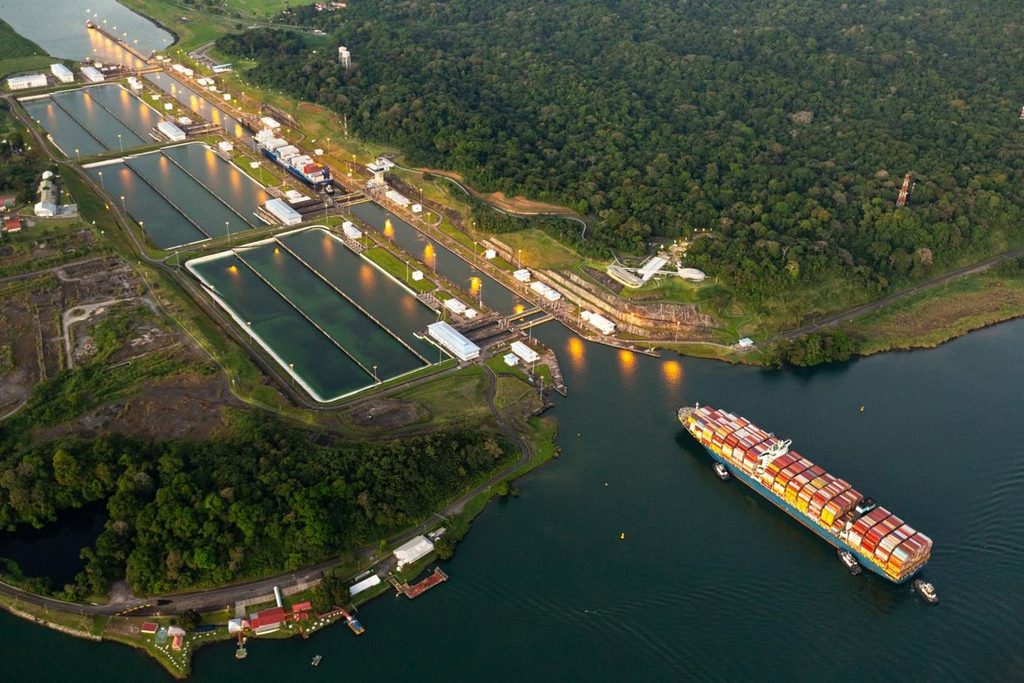
What initially sounds outrageous can become a subject of serious public discussion through presidential messaging, sustained attention, and public debate. After all, who would have imagined only a few years ago that the Gulf of America would become an official designation of the United States government?
Reaffirming American Identity at Home and Projecting Strength Abroad
The significance of Trump’s naming strategy extends beyond geography, political messaging, or the pursuit of a personal legacy. At its core is an effort to encourage Americans to preserve their cultural inheritance, reconnect with their national heritage, and uphold the principles and traditions that have shaped the United States. By emphasizing the country’s distinct character through prominent landmarks and institutions, Trump seeks to cultivate a renewed sense of patriotism, continuity, and collective purpose.
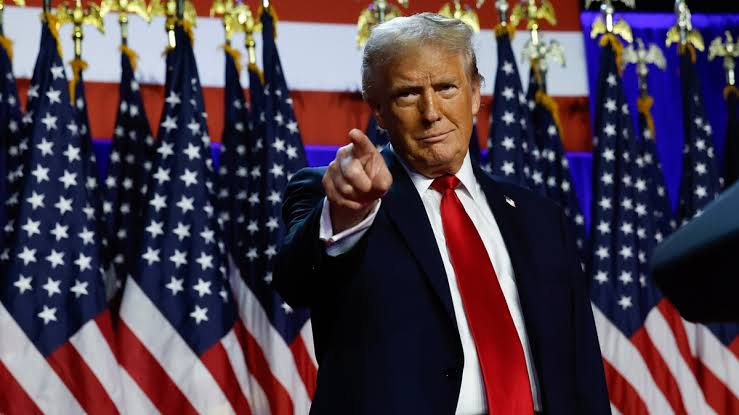
The psychological implications are substantial. Names can serve as recurring reminders of belonging, reinforce shared cultural associations, and strengthen the emotional connection between citizens and their nation. Their significance is not limited to what appears on a map, but extends to how people understand their country’s past, accomplishments, and position in the international order.
Beyond America’s borders, these initiatives also carry a geopolitical message. To allies, they are intended to project a United States confident in its principles, conscious of its record of global leadership, and determined to assert its standing throughout the Western Hemisphere. To adversaries, particularly those seeking to challenge the United States in the Americas and beyond, they communicate national resolve and an unwillingness to retreat from a prominent international role.
The symbolism is especially pronounced when applied to strategically important waterways, military establishments, and geographical landmarks. Such names cannot substitute for economic strength, military capability, or effective diplomacy, but they can reinforce the image a nation seeks to project. Trump recognizes that a country confident in its traditions, accomplishments, and standing on the world stage possesses a powerful advantage in communicating its intentions to friends and rivals alike.
What some dismiss as mere changes in terminology reflects a more ambitious philosophy: that American greatness should be expressed not only through economic strength, military power, and international leadership, but also through the language by which Americans recognize and celebrate their country.
Presidents come and go, administrations rise and fall, and political controversies eventually fade into history. But names can endure for centuries, shaping the maps we study, the institutions we recognize, and the stories we pass down to future generations. Trump appreciates that distinction, and it may prove to be among the most lasting dimensions of his presidency.
For while political power is temporary, the power of a name can be timeless.

