

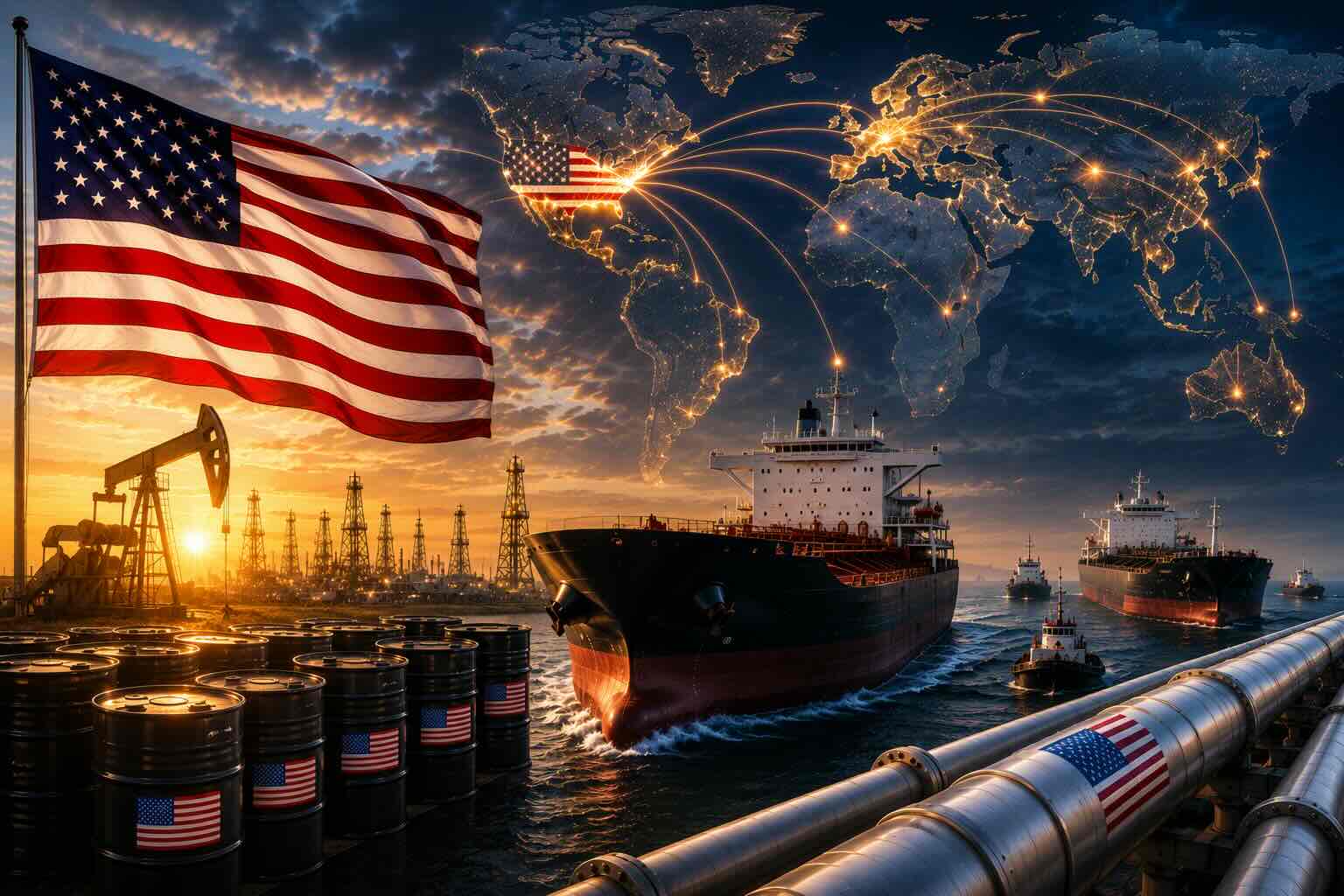
At the end of May 2026, the United States solidified its position as the world’s largest oil exporter, shipping approximately 10.5 million barrels per day of crude and refined products, surpassing Russia and Saudi Arabia for the third consecutive month. This is a historic energy dominance and reversal of decades-old global supply dynamics, building on the U.S. becoming a net petroleum exporter in 2026 for the first time since at least 1949.
Yet many Americans continue to feel the price at the pump. While crude prices have fallen sharply, gasoline prices remain elevated, roughly .30 to .50 cents higher than they would be under normal circumstances as pre-conflict levels gradually return.
President Donald J. Trump has directed the Department of Justice to investigate major oil companies for alleged price gouging at the gas pump. Specifically calling out firms like ExxonMobil and Chevron, stating that oil prices are “dropping like a rock” while gasoline prices remain stubbornly high.
The move comes even as global oil prices have dropped substantially in recent weeks. President Trump is leveraging America’s historic energy dominance with bold steps to deliver real relief at the pump for American families.
West Texas Intermediate (WTI) crude has fallen more than 30% from recent wartime peaks to around $70 per barrel, following the mid-June U.S.-Iran agreement that reopened the Strait of Hormuz and significantly eased global supply concerns.
Despite this drop in price, the U.S. average gasoline price stood at about $3.93 per gallon as of Wednesday, down 14% from recent highs but still well above January’s $2.76 level.
President Trump’s actions include the ongoing release of millions of barrels from the Strategic Petroleum Reserve, authorized earlier this year, and his prediction that gasoline prices could fall significantly, potentially toward the low $2 range, as lower crude costs flow through to consumers.
Oil refinement is a time-intensive process. Often, the gasoline pumped into our vehicles at the end of the month was refined weeks earlier, meaning retail prices frequently lag behind shifts in global crude markets.
It is widely expected that oil and gasoline prices will continue declining toward pre-Iran conflict levels in the coming weeks and months.
Some have reported, seasonal demand, hurricane risks, and lingering geopolitical uncertainties could cap how far prices fall.
Market reactions have been mixed. Energy stocks dipped on news of the probe and reserve activity, while analysts anticipate modest further declines in gasoline prices as lower crude works through the system.
Trump is moving on promises to protect consumers and harness America’s energy dominance, and the U.S. has been the world’s top oil exporter since May 2026.

