

A separatist movement in Alberta has been making headlines, perhaps fulfilling President Trump’s premonitions about Canada, or parts of Canada, becoming America’s 51st state. But Alberta is far from the only Canadian province seeking greener pastures.
Alberta’s eastward neighbor, Saskatchewan is also exploring a secession movement, seeking freedom from the growing bureaucracy and nanny state being imposed on them from Ottawa. Led by the Saskatchewan United Party, a growing populist movement that placed third place in the previous national election, the movement for independence is rapidly gaining steam.
Saskatchewan is an interesting example because its politics are determined by its rural voters. Rural areas have a firm majority over parliament within the province, with 35 rural seats as opposed to 26 urban seats. The divide in ways of life is coming to a head as the rural areas become sick of paying for the excesses of urban life, including the corruption from the out-of-touch ruling class.
Polling indicates that there is 79 percent support for independence among the rural areas of Saskatchewan. As the movement for independence gains traction, the ruling party is receiving an increasing amount of pressure to initiate an independence referendum. The United Party has already been successful on initiatives such as promoting parental rights and energy reforms that utilize coal, giving them substantial momentum to embark upon their grandest project of all: the push for independence.
This is achievable because Canada has a much different culture regarding secession than the United States, which fought a bloody civil war to keep the Union whole. Under the Canadian Constitution, any province can become independent upon the passage of a plebiscite that is put on the ballot. The Supreme Court of Canada has ruled in favor of the legality of provinces being able to declare independence. Because of the Reference re Secession of Quebec (1998) as well as Canada’s Clarity Act of 2000, a province may hold a referendum with a clear question of independence and, if it achieves a clear majority, the federal government is legally obligated to enter into negotiations.
Once those benchmarks are met, separation becomes a political negotiation, not a legal battle. The courts cannot interfere in that process, which means the path forward is driven by democratic choice and political dialogue, not by endless litigation. This makes the prospect of Saskatchewan independence not only possible, but firmly grounded in Canada’s own constitutional framework. Saskatchewan is perhaps the most conservative province in all of Canada and has over 3 million fewer residents than Alberta, the other province considering independence from Canada. Independence is not a pipe dream, and although the Canadian state-run media likes to laugh off the notion, this is a policy that is already tenable and will soon seem inevitable before long.
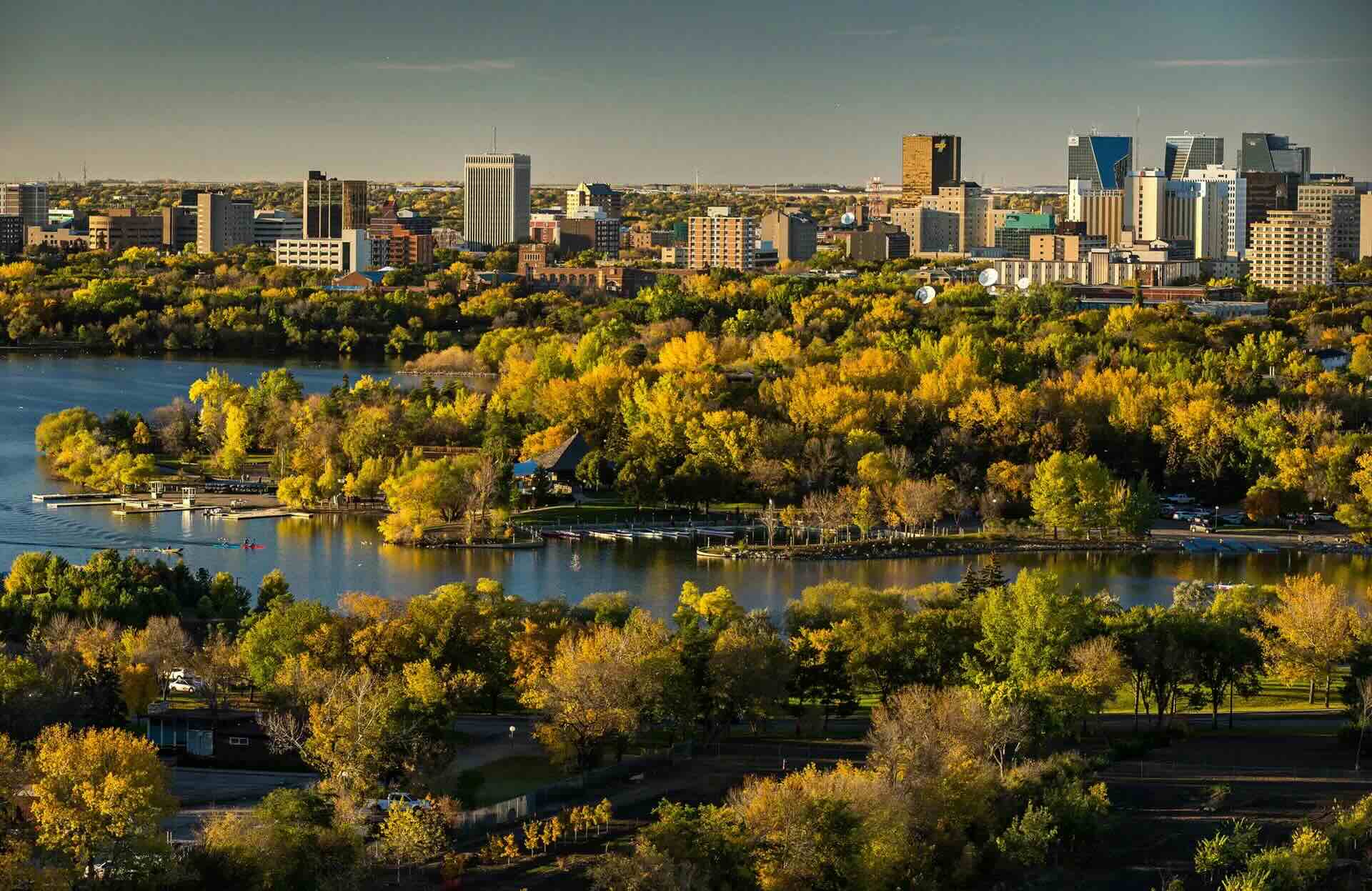
The current majority and minority party leadership will do all they can to stand in the way of independence despite its undeniable legality and overwhelming public support. The Saskatchewan Party currently in power and their New Democratic Party opposition are working in tandem to stifle the rise of the United Party, and their combined efforts have up to this point been successful in boxing the United Party out of leadership. The issue of independence may be the one that allows the United Party to break through the grass ceiling and finally upend entrenched establishment politics in the provincial capital of Regina.
Saskatchewan’s oil and natural gas deposits make the province a key driver of Canada’s energy sector, while uranium from northern Saskatchewan powers nuclear energy production around the world. As the tech sector yields a sharp global increase of energy production, Saskatchewan’s uranium production capability will grow into a multi-billion industry within years. The province is also home to vast reserves of potash, producing more of this critical ingredient for agriculture than any other area on Earth. Additionally, Saskatchewan’s fertile farmland is among the most productive globally, exporting wheat, canola, and pulses to feed millions. An economically-sound national government, such as the Trump administration, could properly harness Saskatchewan’s vast potential that is currently being mismanaged and squandered.
Even though the province should be in a bargaining position of immense strength, weak leadership has caused Saskatchewan to be at the mercy of the pre-eminant strategic threat of the Western world: China. Saskatchewan Premier Scott Moe recently traveled to China on a groveling tour, focusing on “recalibrating the trade relationship” between China and Saskatchewan. Canada’s tariffs on canola oil have hit Saskatchewan hard with the province losing $650 million in economic productivity as a result, and Saskatchewan is in a position of economic vulnerability because China recognizes the fecklessness of Canadian regional and national leaders for whom capitulation has become an absolute certainty.
Saskatchewan’s statehood and subsequent support from the U.S. would give them better power to keep their natural resources and not be subject to Chinese economic imperialism. President Trump could entice citizens of Saskatchewan by making it clear they would all gain U.S. citizenship, have the ability to work and travel freely across America, and undergo a seamless transition to the U.S. dollar. Having the deal-maker in Chief occupying the White House will make Saskatchewan’s independence all the more likely. The U.S. has not added a state since Hawaii in 1959, nearly 70 years ago, also coinciding with the beginning of America’s national decline. To make America greater than ever, we need to make America bigger than ever. Saskatchewan should be the crown jewel of these intrepid and noble efforts.

